new to pilates? start here.
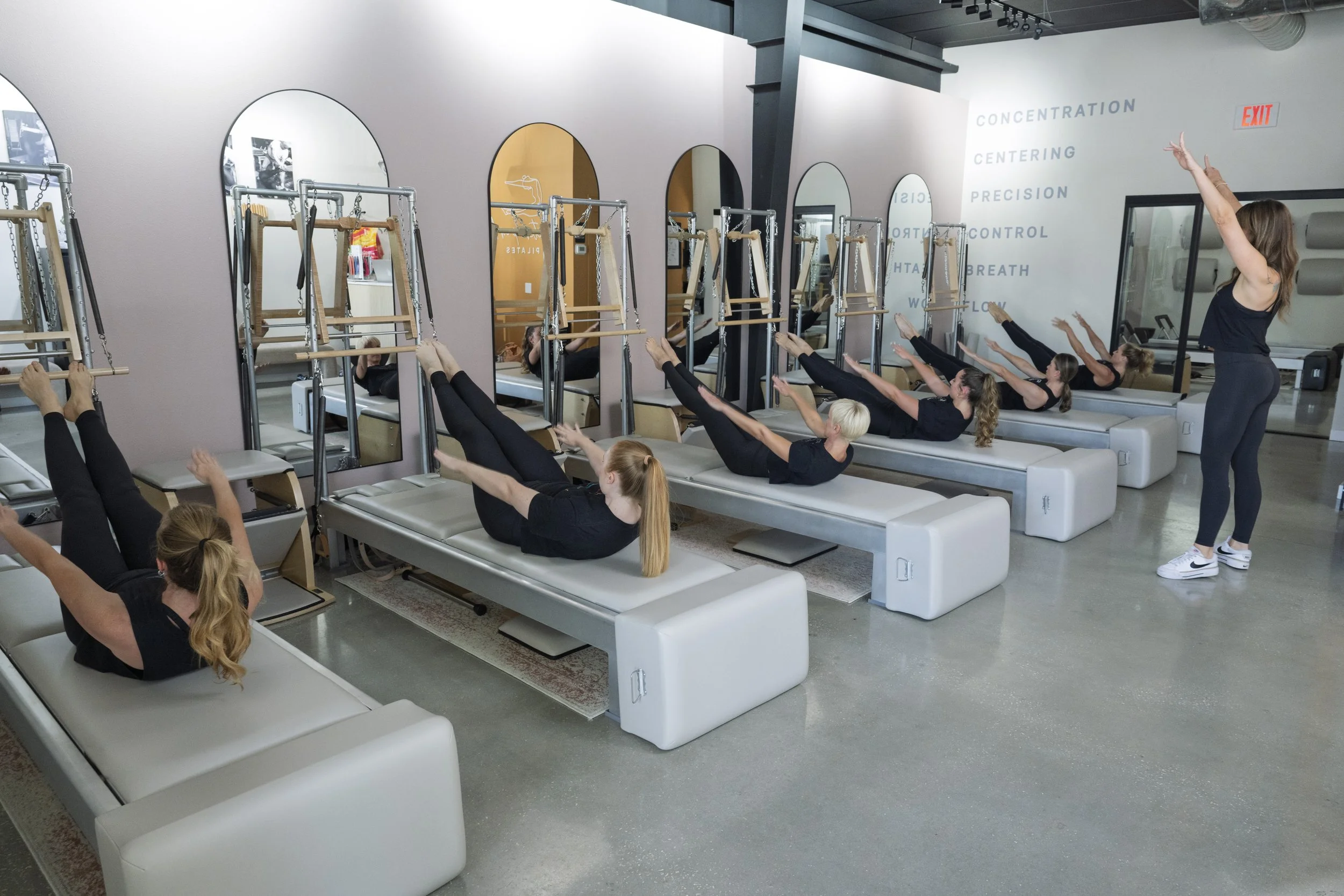
At Winter Park Pilates, we teach the complete, original Pilates system, not just mat or equipment work in isolation. Our private and group class sessions integrate a full range of classical apparatus, including the Reformer, Tower/Cadillac, Wunda Chair, Small Barrel and more, to give you a balanced, whole-body workout.
Our experienced instructors work with you one-on-one or in small groups to build strength, increase flexibility, and help you move better, at your own pace.
If you’re new to Pilates, we recommend starting with private sessions to build a strong foundation before joining group classes. This helps ensure you feel confident and comfortable moving at your own pace.
If you choose to begin in a group class, we recommend starting with a Tower class.
Come see how Pilates can make a difference in your life. Have questions? Contact us anytime.
what is the reformer?
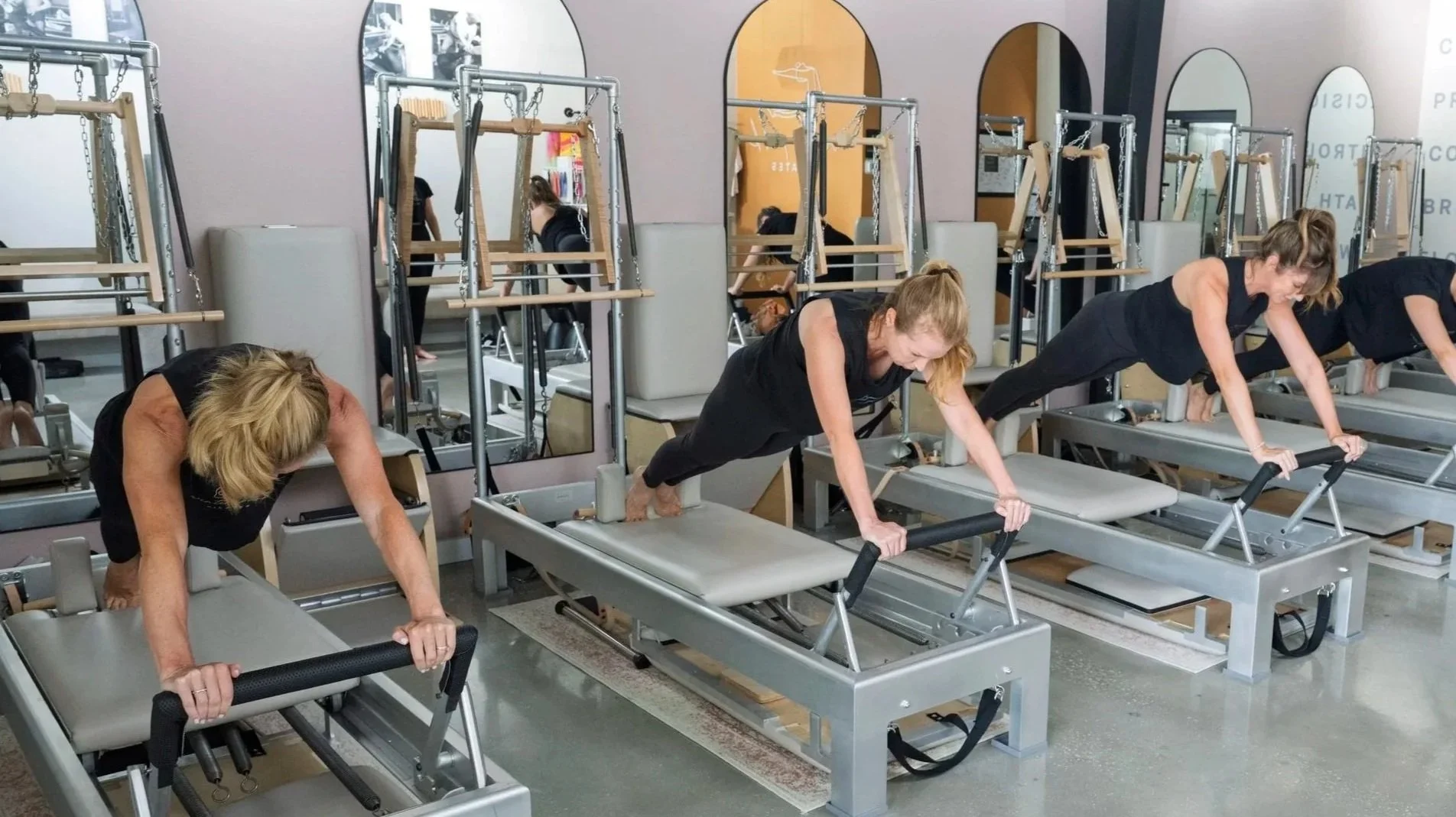
The resistance and motion of the Reformer's moving carriage builds muscle tone and overall body strength. It utilizes springs and straps to create resistance on a supportive base. This class is a full body workout, engaging the core and improving overall body balance and better posture.
what is the tower?
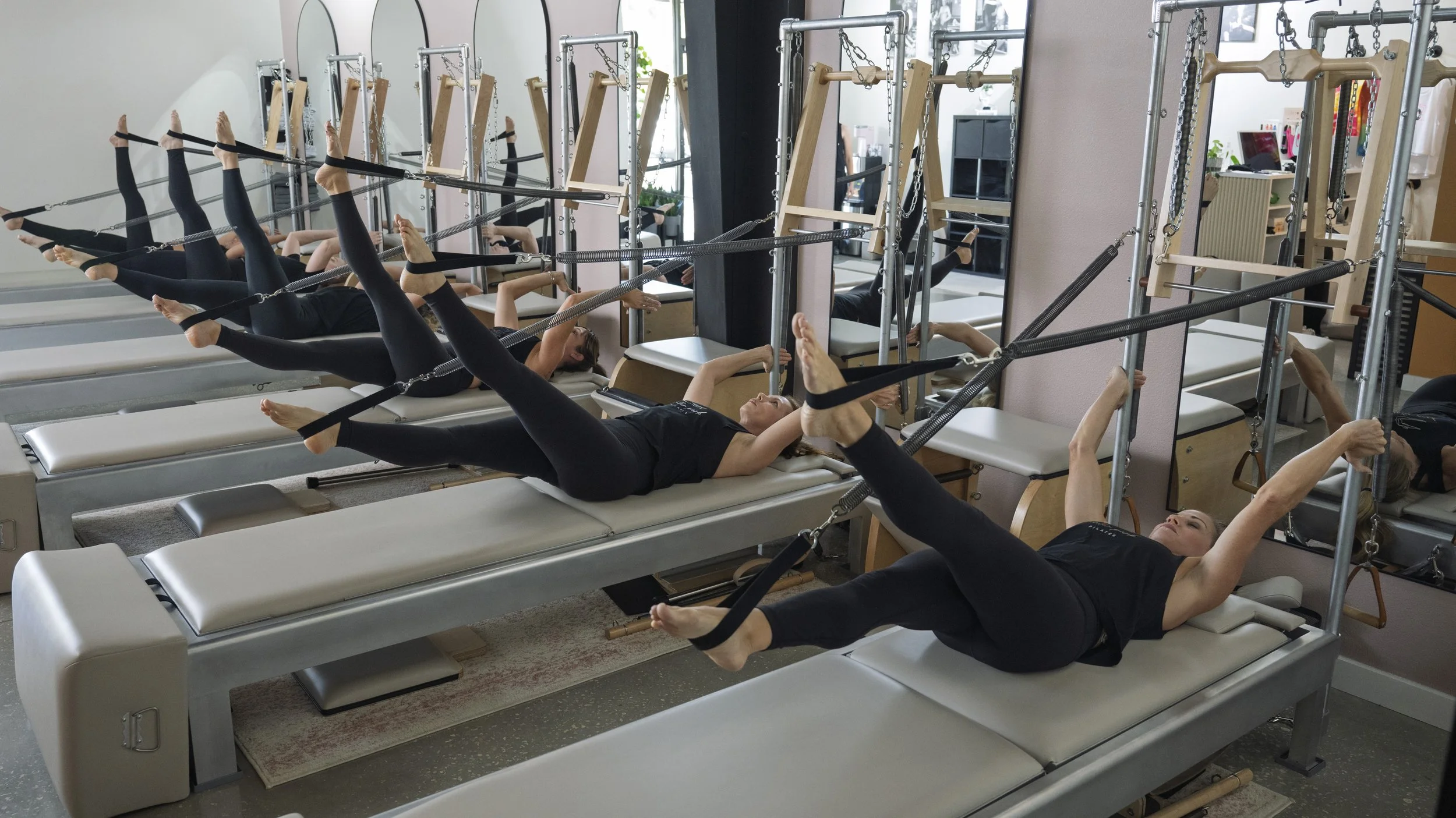
The Tower combines mat exercises with the resistance provided by the Tower’s leg and arm springs and roll back and push through bars, offering more targeted body work. Tower classes focus on building strength by using the varying resistance of the springs on a stable surface .
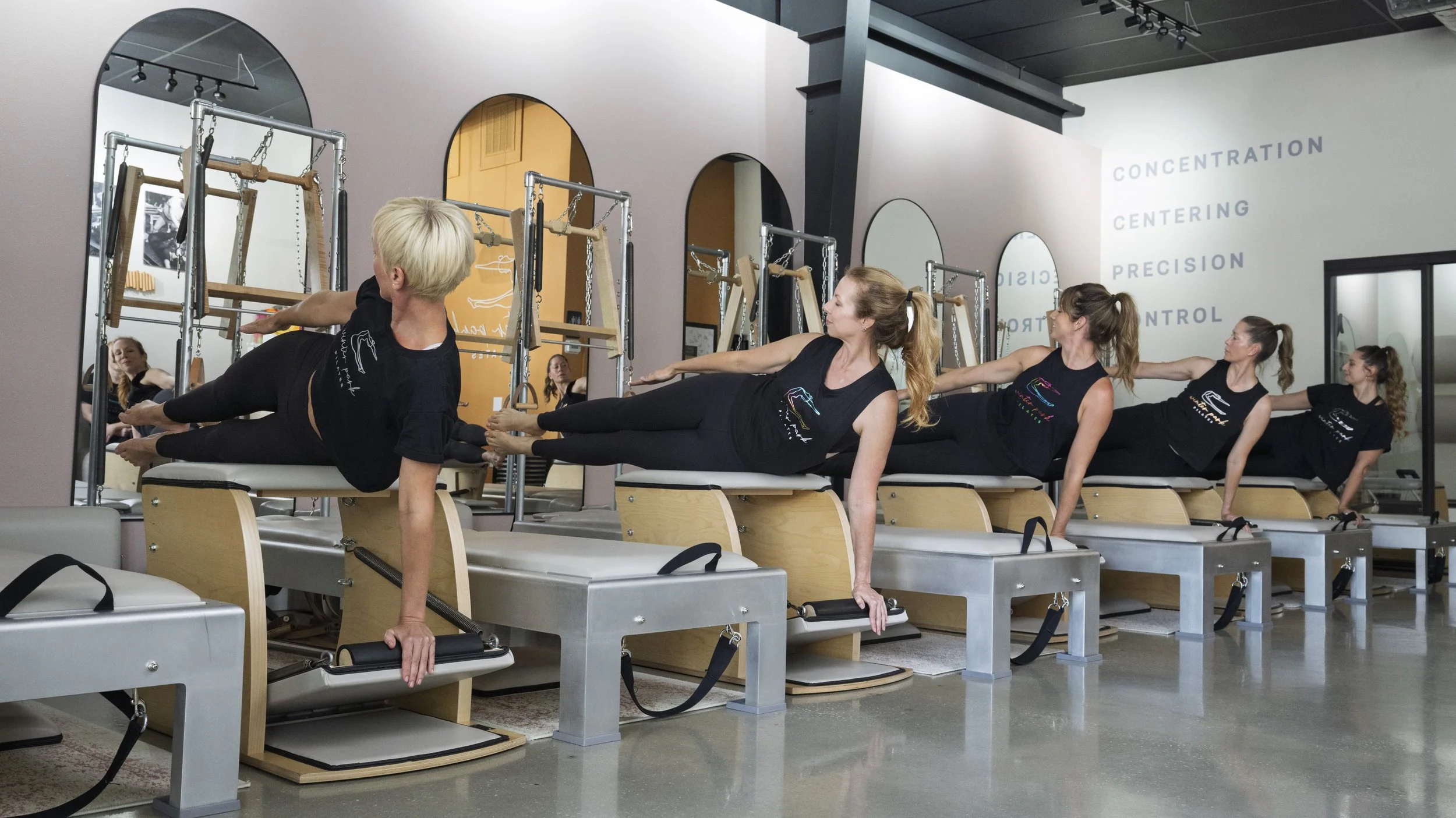
what is the wunda chair?
The Wunda Chair is a smaller apparatus with various spring levels that incorporates seated and standing exercises. It takes the work to a smaller base, challenging the core, stability and more.
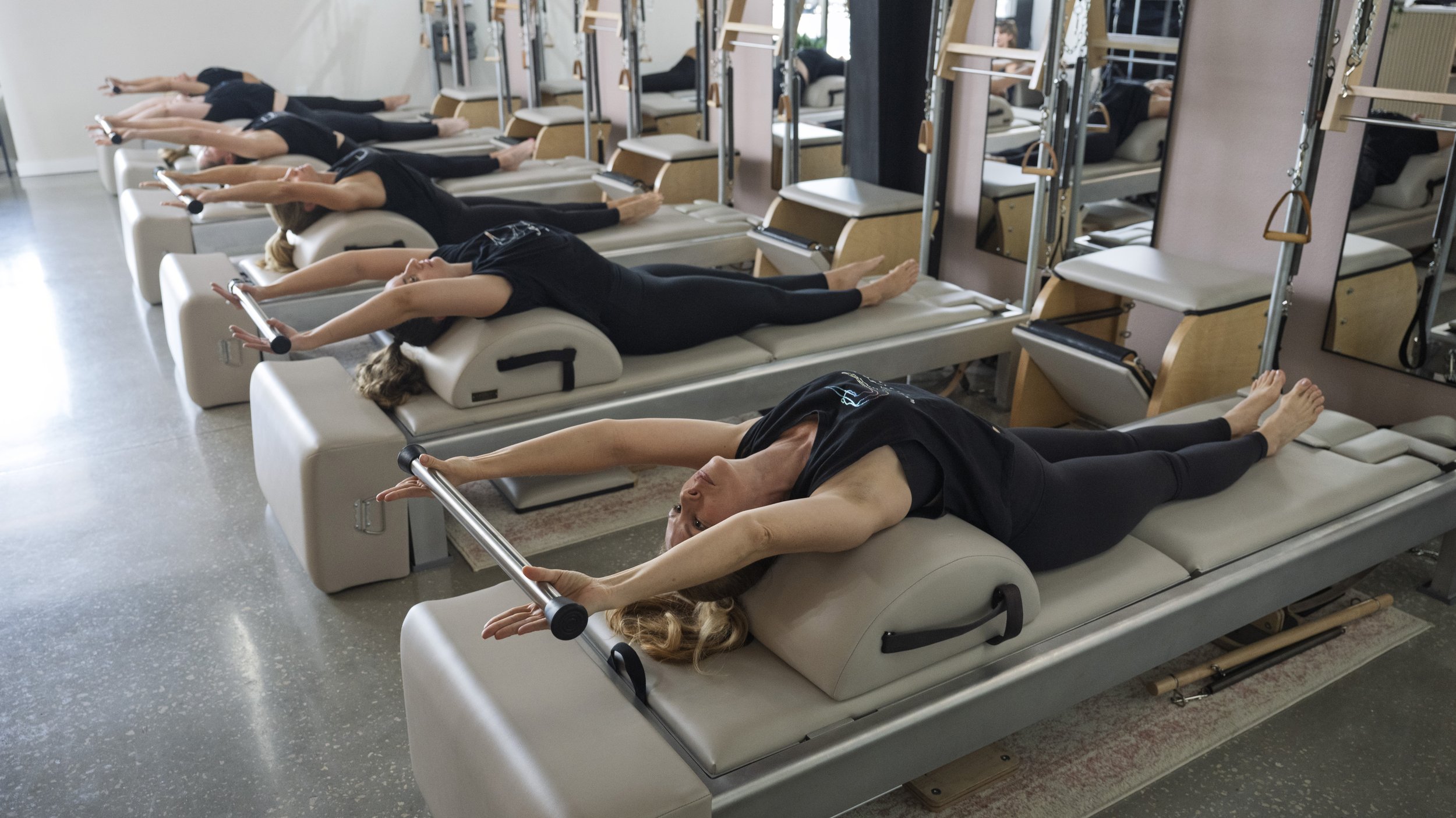
what is the small barrel?
The Small Barrel is a curved, padded piece of equipment used to support the spine, improve posture and enhance core strength and flexibility. It helps with stretching and spinal mobility.
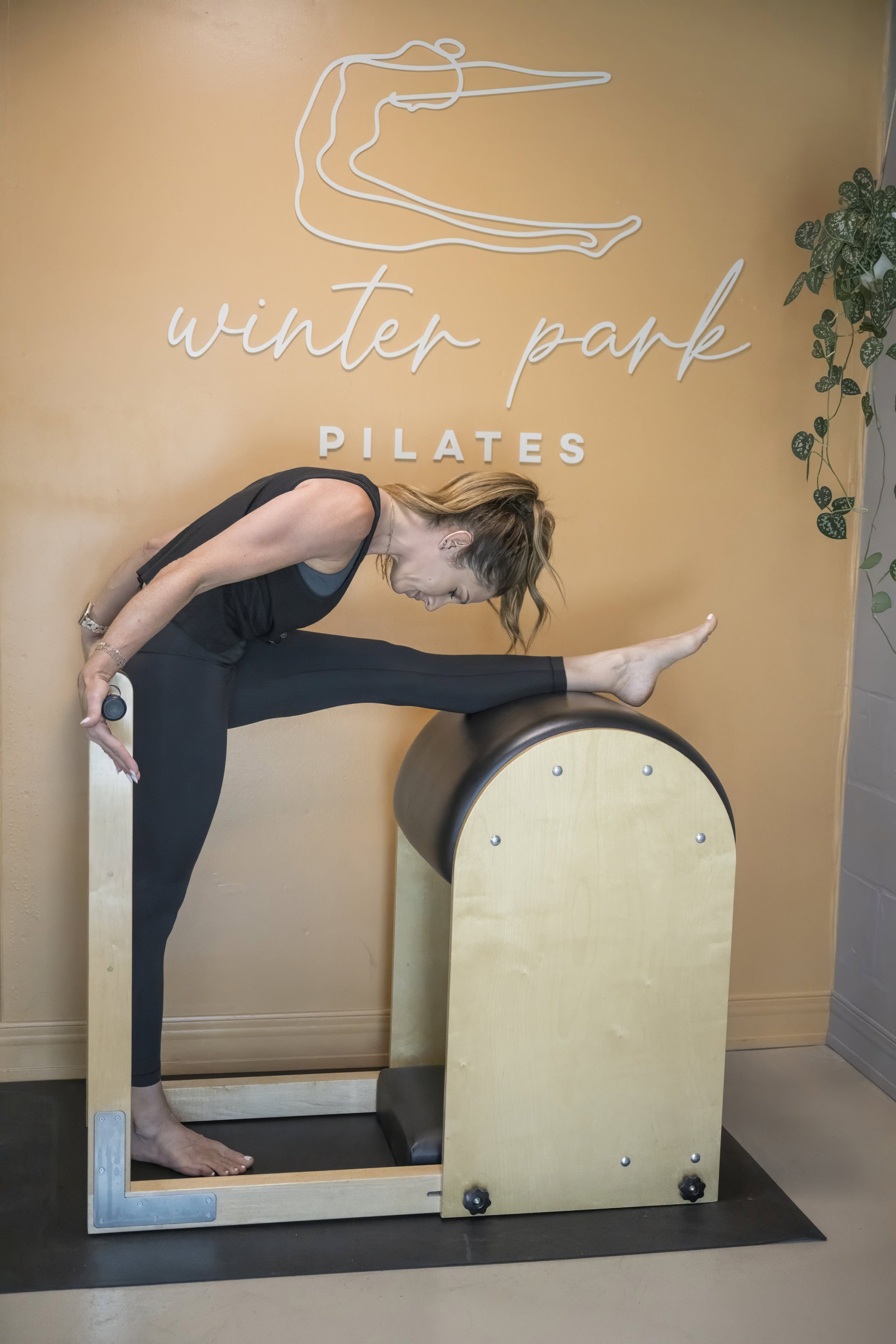
frequently asked questions
-
Classical Pilates follows the original sequence, exercises, and principles developed by Joseph Pilates. It’s a full-body system designed to build strength, flexibility, control, and coordination. Each exercise has a clear purpose and is taught in a specific order to progressively challenge the body and deepen results over time.
In contrast, modern/contemporary Pilates often blends elements of the original method with modern fitness trends or other movement disciplines. These classes tend to be much larger, and utilize a "one size fits all" approach
At Winter Park Pilates, we teach the classical method because it works. It’s intentional, efficient, and time-tested—designed to create strong, balanced, and resilient bodies without the need for trends or gimmicks.
-
Yes—classical Pilates is a form of strength training. It uses your own body weight, gravity, and spring-based resistance (on equipment like the reformer or through controlled mat work) to build muscular strength and endurance.
What makes classical Pilates different from traditional weightlifting is its focus on controlled, full-body movements that train not just your big muscle groups but also your deep stabilizing muscles—especially your core. Every exercise emphasizes alignment, precision, and mindful control, which helps develop balanced strength without overloading your joints.
While Pilates may not replace heavy lifting for those training specifically for muscle size or powerlifting goals, it’s an incredibly effective form of resistance training for building strength, improving posture, preventing injury, and enhancing athletic performance.
-
Absolutely! Classical Pilates is designed to be accessible to all levels. We recommend starting with private sessions to build a strong foundation, then progressing into group classes at your own pace.
-
For best results, practicing 2-3 times a week is ideal. Consistency helps build strength, flexibility, and body awareness over time.
-
Many people notice improvements in strength, posture, and flexibility within a few weeks of regular practice, but lasting changes typically develop over months with consistent training.
-
Non-slip socks are required. You are welcome to bring your own and we sell them at the studio.
Choose clothing that is fitted but not too tight, as you want to be able to move comfortably and freely without any restrictions. Avoid clothing that is too loose or baggy, as it can get in the way during certain movements.
Avoid wearing any large or chunky jewelry that can damage the equipment.
-
Yes, Pilates can be very beneficial for athletes! Pilates focuses on building core strength, improving flexibility and balance, and enhancing overall body control and coordination. These are all key components that can help athletes improve their performance and reduce the risk of injury.
For example, golfers can benefit from Pilates by improving their core strength and stability, which can help them generate more power in their swing and maintain better posture throughout their game. Runners can use Pilates to improve their balance and coordination, helping them avoid common running injuries and improve their running efficiency. Additionally, Pilates can be a great form of cross-training for athletes, helping them build strength and flexibility in areas of the body that may not be targeted by their primary sport.
-
Absolutely! Pilates can be a great form of exercise for older adults because it focuses on building strength and enhancing balance and coordination - all of which can help seniors maintain their mobility and independence as they age.
Pilates exercises can be modified to accommodate different fitness levels and physical abilities, making it a safe and effective workout for seniors. Pilates can help seniors improve their posture, reduce the risk of falls, and alleviate common age-related issues such as back pain and joint stiffness.
-
Yes, pregnant women can practice Pilates, but it's important to do so under the guidance of a qualified instructor and with the approval of your healthcare provider. Always obtain approval from your healthcare provider before starting any new exercise program.
Pilates is a low-impact form of exercise that can be modified during pregnancy to ensure that the exercises are safe and appropriate. For example, women may need to avoid exercises that require lying on their back after the first trimester, as this can restrict blood flow to the uterus. In addition, some abdominal exercises may need to be modified to avoid placing too much stress on the abdominal muscles or pelvic floor. For this reason, we recommend private sessions while pregnant.
Our studio owner Meghan Juras has extensive experience working with pregnant women and can provide modifications and guidance to ensure that you are practicing Pilates safely and effectively.